
Crack Repairs in Morris, NY
Asphalt Crack Repairs Overview
Crack repairs in Morris, NY involve the treatment and sealing of breaks, separations, and surface fractures that develop in asphalt pavement over time. S & J Sealcoating provides crack repair services for driveways, parking areas, private roads, and paved surfaces throughout Morris and within a 50-mile service radius.
Asphalt naturally expands and contracts due to temperature changes, vehicle load pressure, and long-term exposure to environmental conditions. These movements gradually create cracks in the pavement surface. Once cracks form, they can allow water, debris, and other materials to enter the underlying layers of the asphalt structure. Crack repair is the process of sealing these openings to limit further surface separation and reduce moisture intrusion into the pavement base.
Crack repairs are typically performed as part of asphalt maintenance rather than full reconstruction. The process focuses on stabilizing existing pavement conditions by addressing surface-level and structural cracks before they expand into larger forms of deterioration.
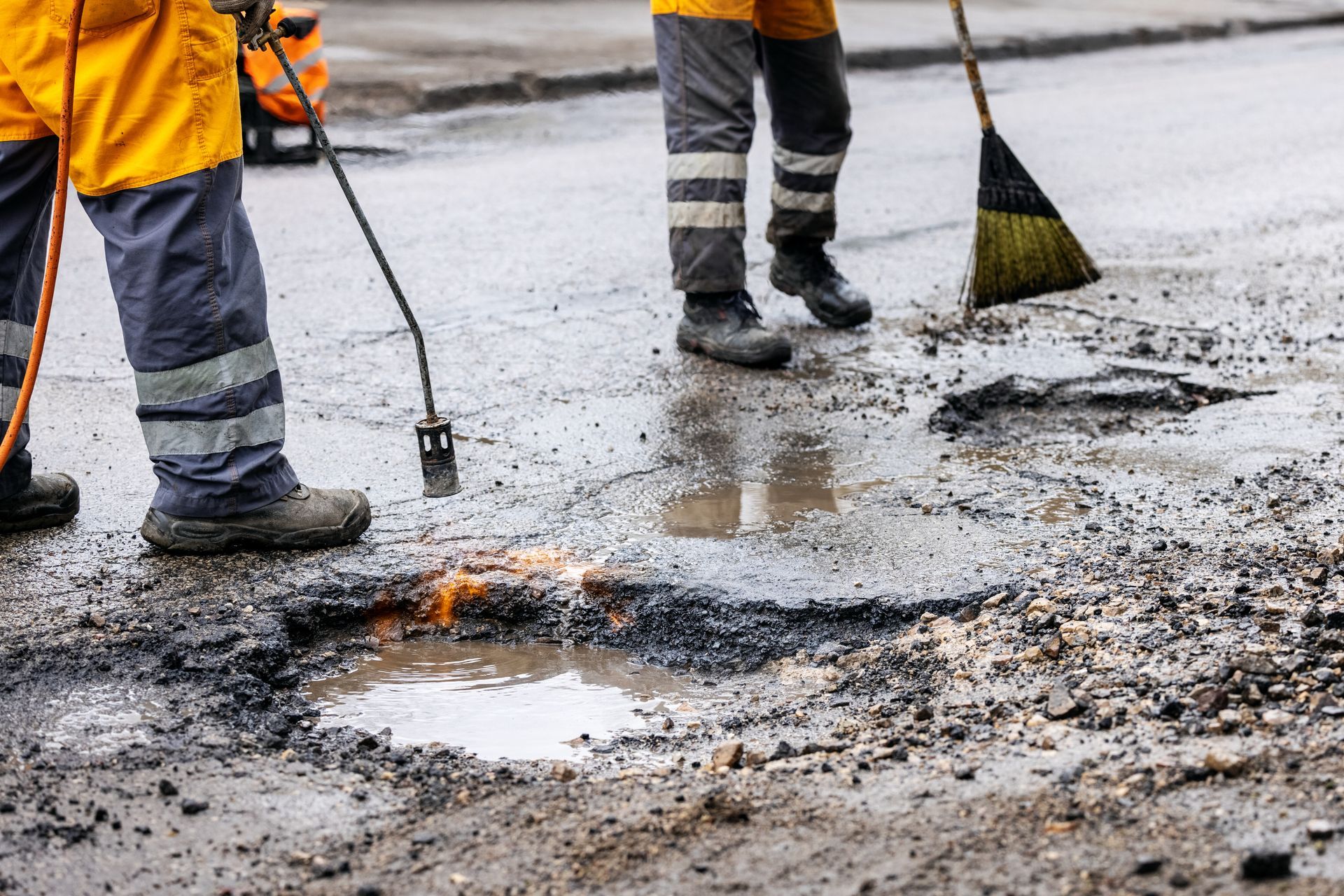
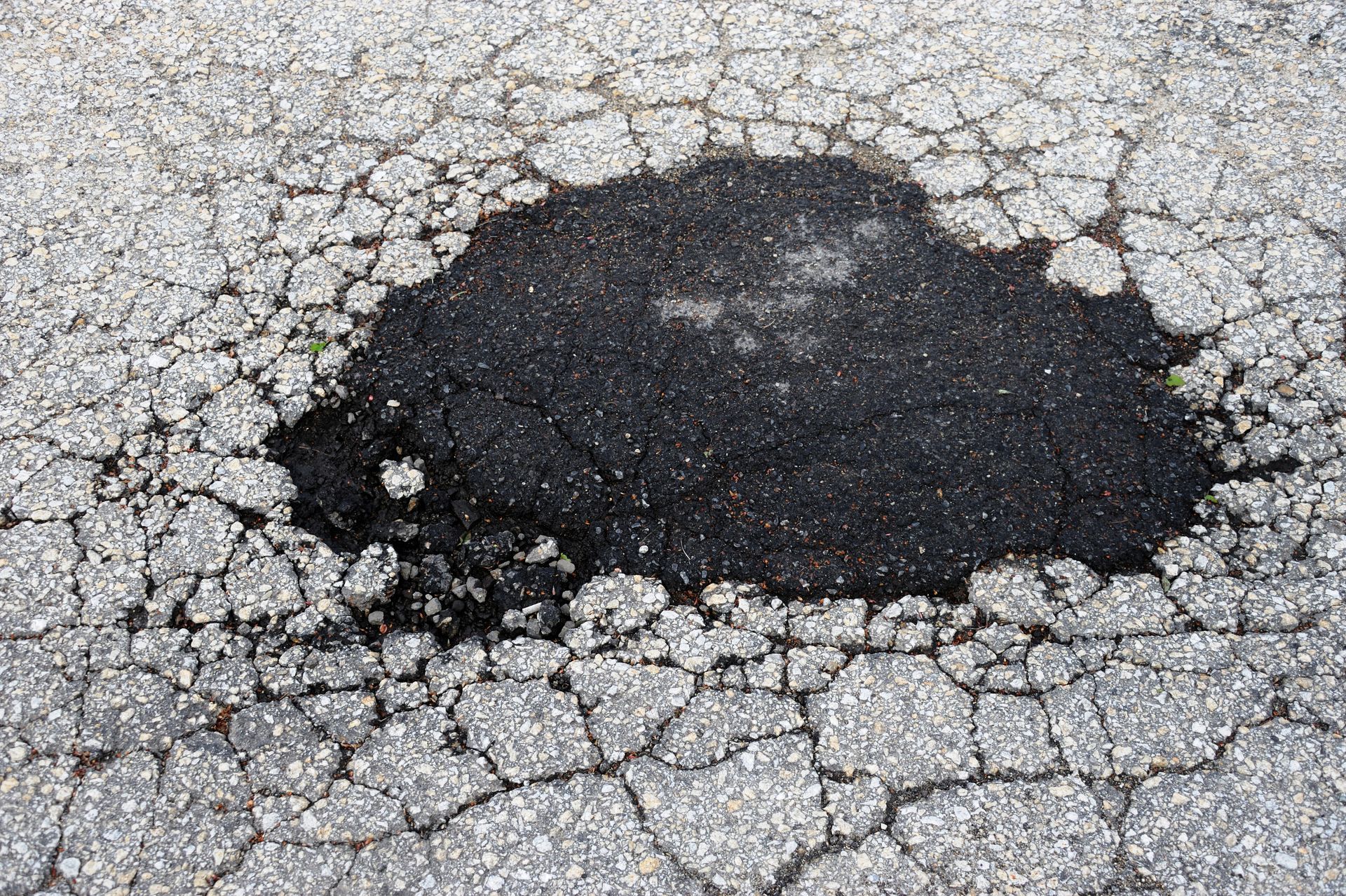
Types of Asphalt Cracks in Morris, NY
Different types of cracks appear in asphalt surfaces depending on usage, age, and environmental exposure in the Morris, NY region. Each crack type reflects specific conditions affecting the pavement.
Longitudinal Cracks
Longitudinal cracks run parallel to the direction of pavement installation or traffic flow. These cracks often develop due to thermal expansion and contraction or slight shifting in the base layers beneath the asphalt surface. Over time, they may widen if water penetrates the opening and affects the underlying structure.
Transverse Cracks
Transverse cracks run perpendicular to the direction of traffic flow and are commonly associated with temperature-related contraction of asphalt. These cracks often appear in colder weather conditions when the pavement surface becomes more rigid and less flexible.
Block Cracking
Block cracking forms a series of interconnected cracks that divide the asphalt surface into rectangular or square sections. This type of cracking is typically caused by long-term oxidation and aging of the pavement material. It is commonly seen in older driveways and parking surfaces.
Edge Cracks
Edge cracks occur along the outer boundaries of asphalt surfaces where the pavement meets soil, grass, or unpaved areas. These cracks are often caused by insufficient edge support, water drainage issues, or repeated stress near the pavement perimeter.
Crack Repair Process in Morris, NY
The crack repair process used in Morris, NY follows a structured sequence designed to ensure proper sealing and long-term stabilization of asphalt surfaces.
Surface Cleaning and Crack Preparation
Before any repair material is applied, the crack must be thoroughly cleaned to remove dirt, vegetation, and loose debris. This ensures that the sealing material can properly bond with the asphalt walls of the crack. Air blowers and mechanical tools are commonly used to prepare the surface.
Crack Widening and Conditioning
In some cases, cracks are slightly widened or routed to create a more uniform channel for sealant application. This step allows the repair material to penetrate deeper into the crack, improving adhesion and long-term stability. Conditioning may also include drying the area to remove moisture prior to sealing.
Hot or Cold Sealant Application
Once the crack is prepared, a specialized asphalt sealant is applied directly into the opening. The type of sealant used depends on the crack size, depth, and surrounding pavement condition.
Hot-Applied Rubberized Sealant
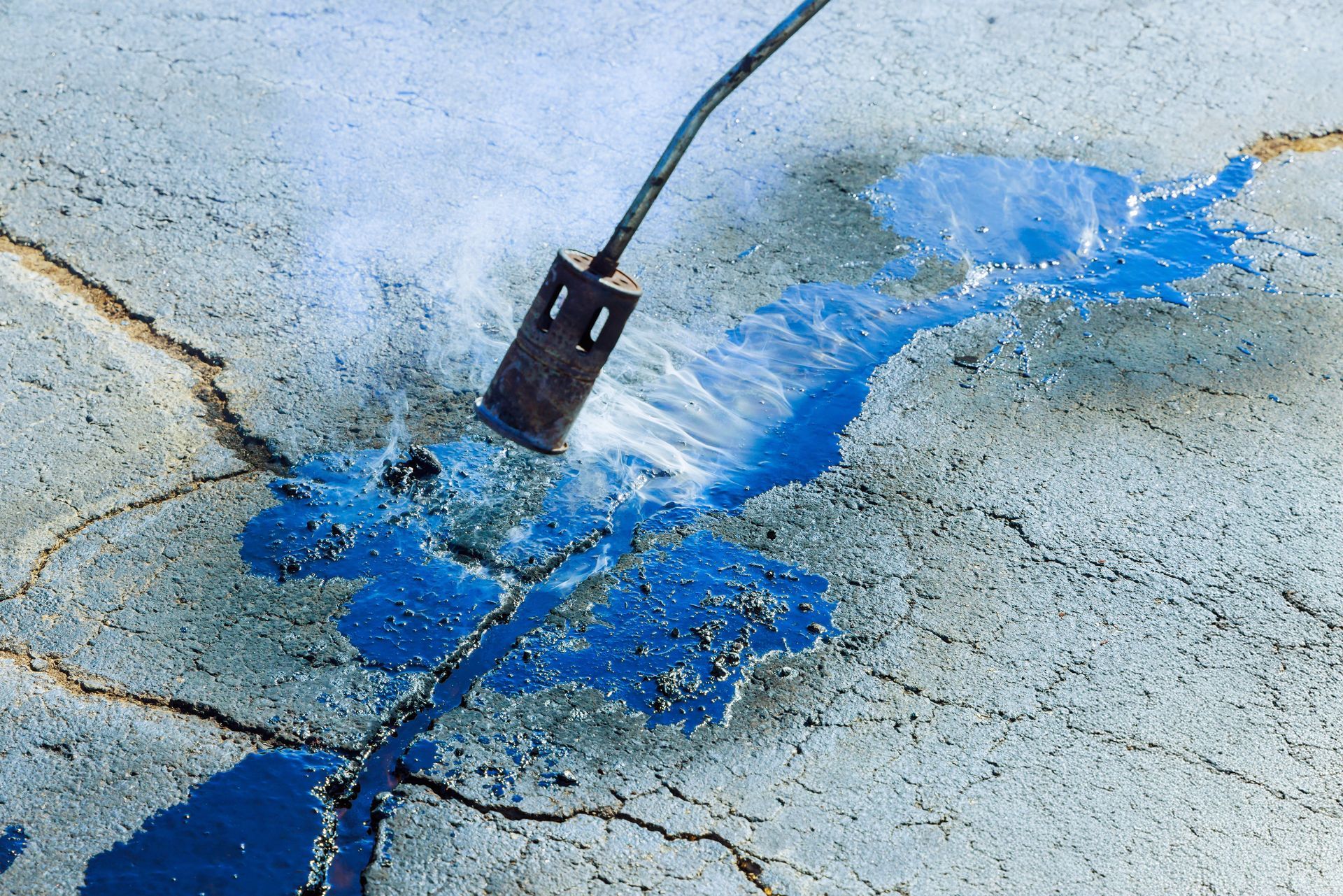
Hot-applied sealants are heated to a controlled temperature before being poured into the crack. This material remains flexible after cooling, allowing it to move with the pavement during temperature changes.
Cold-Applied Sealant Materials
Cold-applied sealants are used in smaller cracks or in areas where heating equipment is not practical. These materials are pre-mixed and applied directly without heating, forming a protective barrier once cured.
Surface Leveling and Finishing
After the sealant is applied, excess material is leveled to match the surrounding asphalt surface. This helps maintain a uniform pavement profile and reduces uneven surface texture once the material cures.
Materials and Equipment Used for Crack Repairs
Crack repairs in Morris, NY rely on specialized materials and equipment designed to handle varying pavement conditions and seasonal temperature changes.
Asphalt Crack Sealants
Crack sealants used in asphalt repair are typically rubberized compounds designed to remain flexible after curing. This flexibility allows the repaired area to expand and contract with the surrounding pavement without reopening the crack.
Heating and Melting Equipment
For hot-applied crack repairs, heating equipment is used to bring sealant materials to the required temperature before application. This ensures proper flow and adhesion within the crack structure.
Surface Preparation Tools
Preparation tools such as blowers, brooms, and cleaning equipment are used to ensure the driveway surface is properly cleared before coating begins. These tools help maintain a clean application base and support proper adhesion.
Application Tools
Application tools include pour pots, wand applicators, and controlled dispensing systems that allow sealant to be placed directly into cracks with precision. These tools help maintain consistent filling across different crack sizes and pavement conditions.
Environmental and Seasonal Factors Affecting Crack Formation
Crack repairs in Morris, NY are heavily influenced by seasonal weather patterns and environmental exposure that affect asphalt performance throughout the year.
Freeze and Thaw Cycles
Repeated freezing and thawing cycles are a primary cause of asphalt cracking in the Morris region. Water enters small surface openings, freezes, expands, and gradually forces the crack to widen over time. This cycle repeats throughout winter and early spring, increasing pavement stress.
Moisture Penetration
Rainfall and snowmelt contribute to moisture infiltration in unsealed cracks. Once water enters the base layers of asphalt, it can weaken the foundation and lead to more extensive pavement separation if not addressed.
Thermal Expansion and Contraction
Asphalt surfaces naturally expand during warm temperatures and contract during cooler periods. This constant movement places stress on rigid pavement sections, leading to crack formation over time, especially in older surfaces.
Crack Repair Service Area with S & J Sealcoating
S & J Sealcoating provides asphalt crack repair services throughout Morris, NY and surrounding areas within a 50-mile radius. The service area includes residential driveways, commercial parking lots, and private paved roads with varying levels of surface wear and cracking.
Each crack repair project is evaluated based on pavement condition, crack depth, and surface layout. Scheduling is coordinated according to weather conditions and surface dryness to ensure proper sealant performance and curing.
Crack repair services are commonly performed as part of routine asphalt maintenance cycles, particularly in areas where seasonal weather changes contribute to recurring pavement movement and surface stress.