
Crack Fills in Morris, NY
Asphalt Crack Filling Overview
Crack fills in Morris, NY refer to the process of sealing openings in asphalt pavement using flexible filling materials designed to block water intrusion and stabilize surface breaks. S & J Sealcoating provides crack filling services for residential driveways, commercial parking lots, private roads, and paved surfaces throughout Morris and within a 50-mile service radius.
Asphalt naturally develops cracks due to seasonal temperature changes, moisture exposure, and repeated traffic loading. Once these cracks appear, they can allow water and debris to penetrate beneath the pavement surface. Crack filling is applied to close these openings and reduce further deterioration caused by environmental exposure.
Unlike full pavement reconstruction, crack filling focuses on targeted surface treatment. It addresses active cracks in asphalt before they expand into larger structural issues. In regions like Morris, NY where freeze-thaw cycles are common, crack filling is an essential maintenance step for extending pavement usability.
Conditions That Lead to Asphalt Cracks
Cracks in asphalt surfaces develop over time due to a combination of environmental and structural factors. In Morris, NY, these conditions are particularly influenced by seasonal weather patterns.
Freeze and Thaw Activity
Repeated freezing and thawing is one of the most significant causes of asphalt cracking. Water enters small surface openings, freezes during cold temperatures, expands, and forces the pavement to shift. This cycle repeats throughout colder months, gradually widening existing cracks.
Asphalt Aging and Oxidation
As asphalt ages, exposure to sunlight and oxygen causes the surface to harden and lose flexibility. This process, known as oxidation, makes the pavement more prone to cracking under stress from traffic or temperature changes.
Traffic Load Stress
Vehicle weight and repeated movement across asphalt surfaces contribute to stress fractures over time. Parking areas and drive lanes with consistent traffic are especially vulnerable to crack development.
Moisture Penetration and Base Movement
Water infiltration beneath the surface can weaken the underlying base layers of asphalt. As the base shifts or settles unevenly, cracks form and expand on the surface above.
Crack Filling Process in Morris, NY
The crack filling process involves several structured steps designed to ensure proper adhesion and long-term performance of the filling material.
Crack Cleaning and Debris Removal
Before filling begins, each crack is thoroughly cleaned to remove loose particles, vegetation, dust, and moisture. Proper cleaning ensures that the filling material bonds directly to the asphalt walls of the crack rather than sitting on top of contaminants.
Crack Drying and Surface Conditioning
Moisture inside the crack is removed to allow proper adhesion of the filling material. Dry conditions are essential to prevent separation or failure of the fill after application. Surface conditioning may also be performed to prepare the crack for deeper penetration of the material.
Crack Filling Application
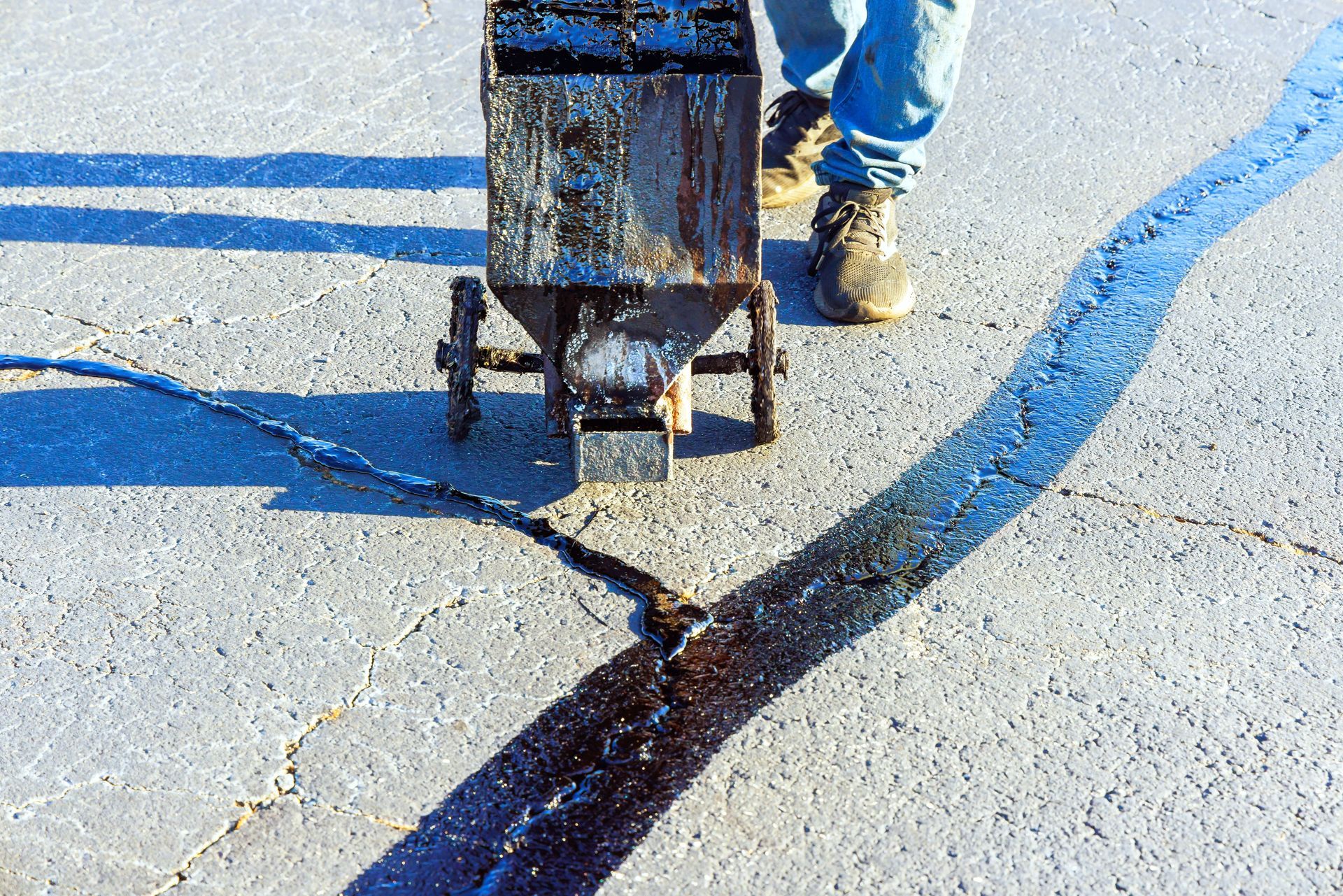
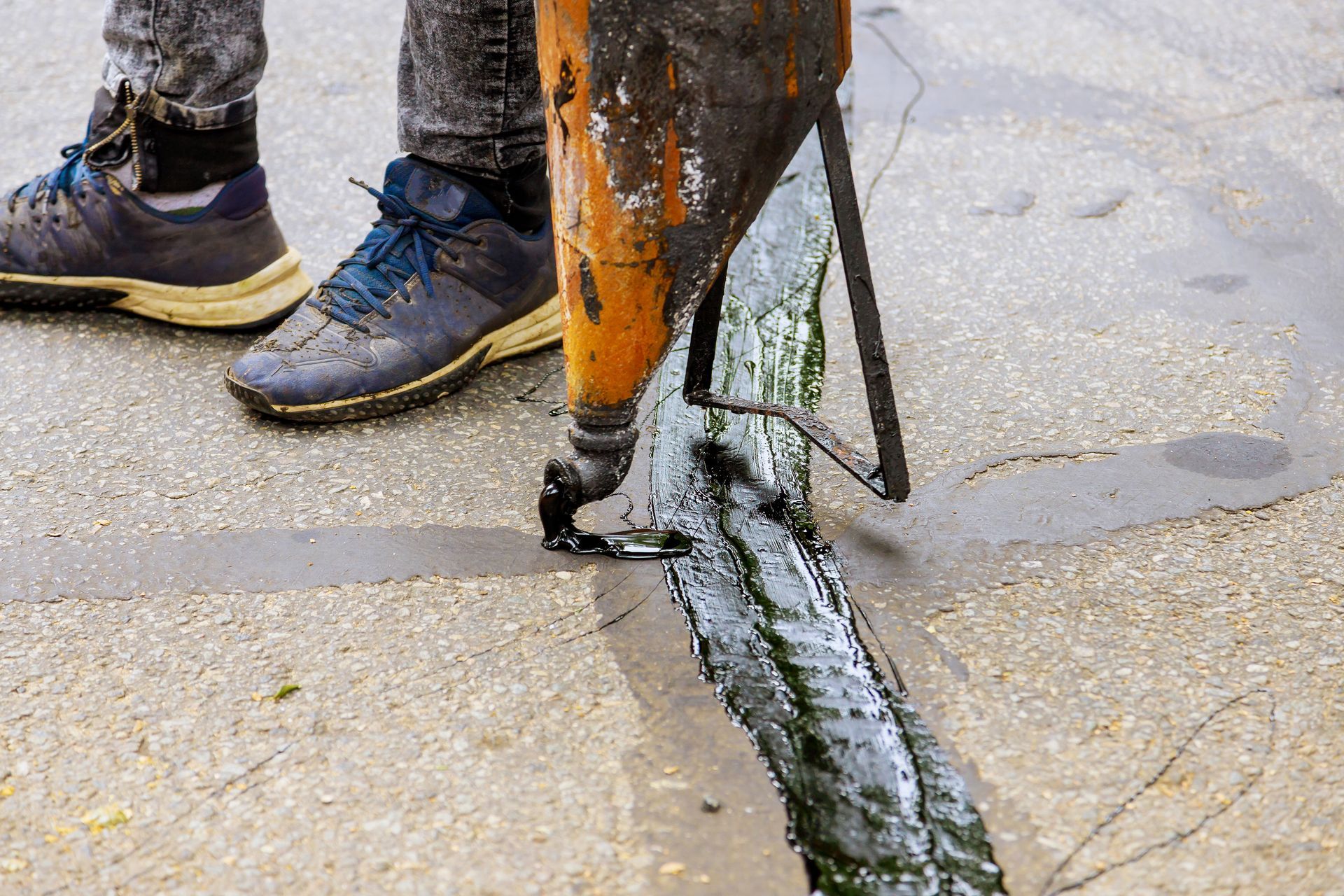
Once prepared, a specialized asphalt crack filling material is applied directly into the crack. The material is designed to remain flexible after curing, allowing it to move with the surrounding pavement during temperature changes.
Hot Applied Crack Fill Materials
Hot applied materials are heated before installation and flow easily into deeper cracks. Once cooled, they form a flexible and durable seal that adapts to pavement movement.
Cold Applied Crack Fill Materials
Cold applied materials are pre-mixed and applied without heating. These are commonly used for smaller cracks or areas requiring quick application and curing.
Surface Leveling and Finishing
After the crack is filled, excess material is leveled to create a smoother surface transition. This helps reduce uneven pavement texture and ensures the filled area blends with the surrounding asphalt.
Materials Used for Asphalt Crack Fills
Crack filling materials used in Morris, NY are selected based on pavement condition, crack size, and environmental exposure.
Rubberized Asphalt Fillers
Rubberized fillers are commonly used due to their flexibility and durability. These materials remain elastic after curing, allowing them to expand and contract with the pavement during temperature fluctuations.
Bitumen-Based Fill Compounds
Bitumen-based materials provide strong adhesion and are often used in moderate to wide cracks. They create a sealed barrier that blocks water and debris from entering the pavement structure.
Polymer-Modified Fillers
Polymer-modified materials are engineered for enhanced flexibility and resistance to environmental stress. These fillers are often used in high-movement areas where pavement shifting is more frequent.
Equipment Used in Crack Filling Applications
Crack filling projects in Morris, NY require specialized equipment to ensure proper preparation, application, and finishing of filled cracks.
Cleaning and Preparation Tools
Air compressors, wire brushes, and routing tools are used to clean and shape cracks before filling. Proper preparation is essential for ensuring strong adhesion of the filling material.
Heating Equipment for Hot Fill Systems
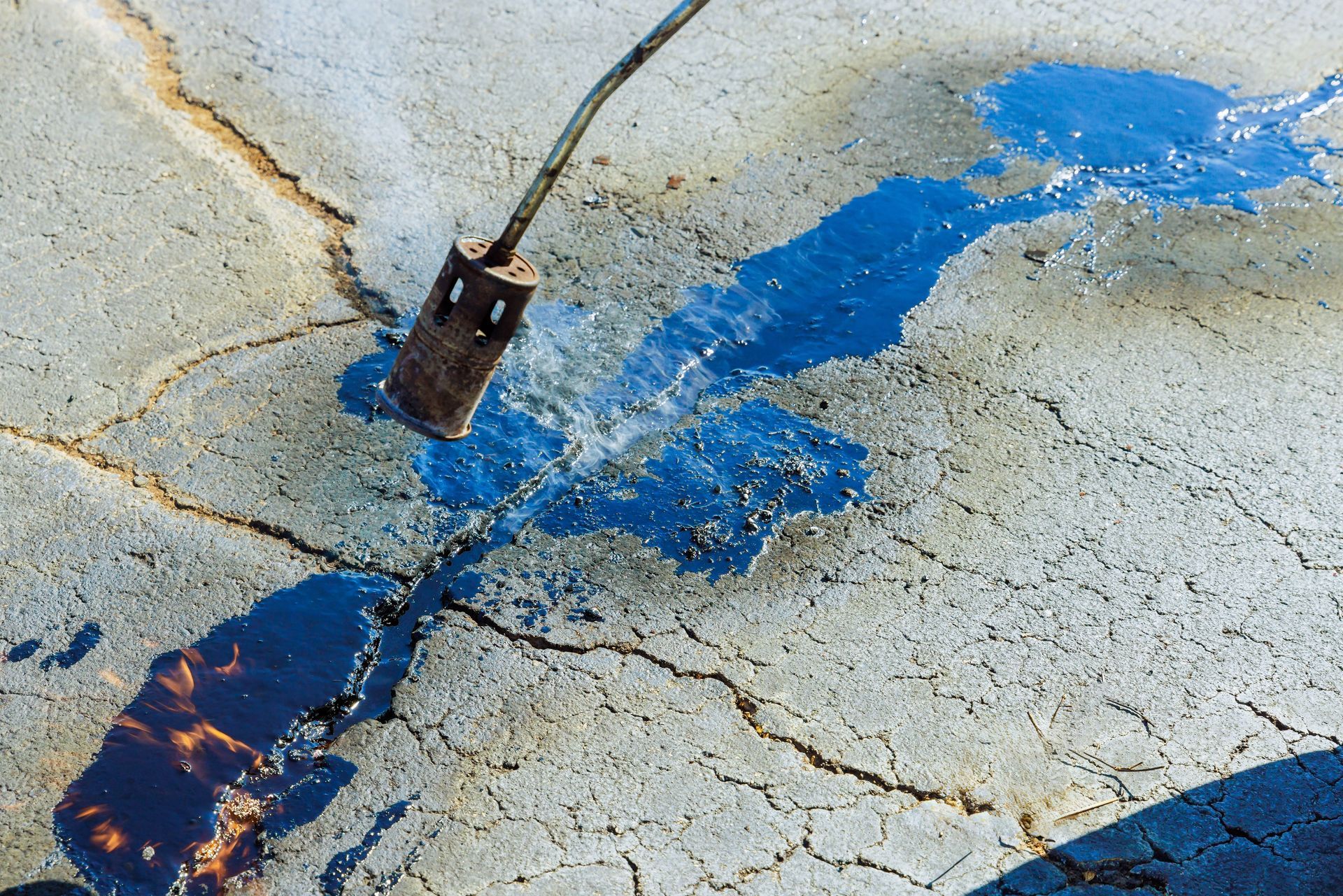
For hot-applied crack filling, heating kettles are used to bring the material to the correct temperature. This allows the filler to flow smoothly into cracks and bond effectively with the asphalt.
Application Systems
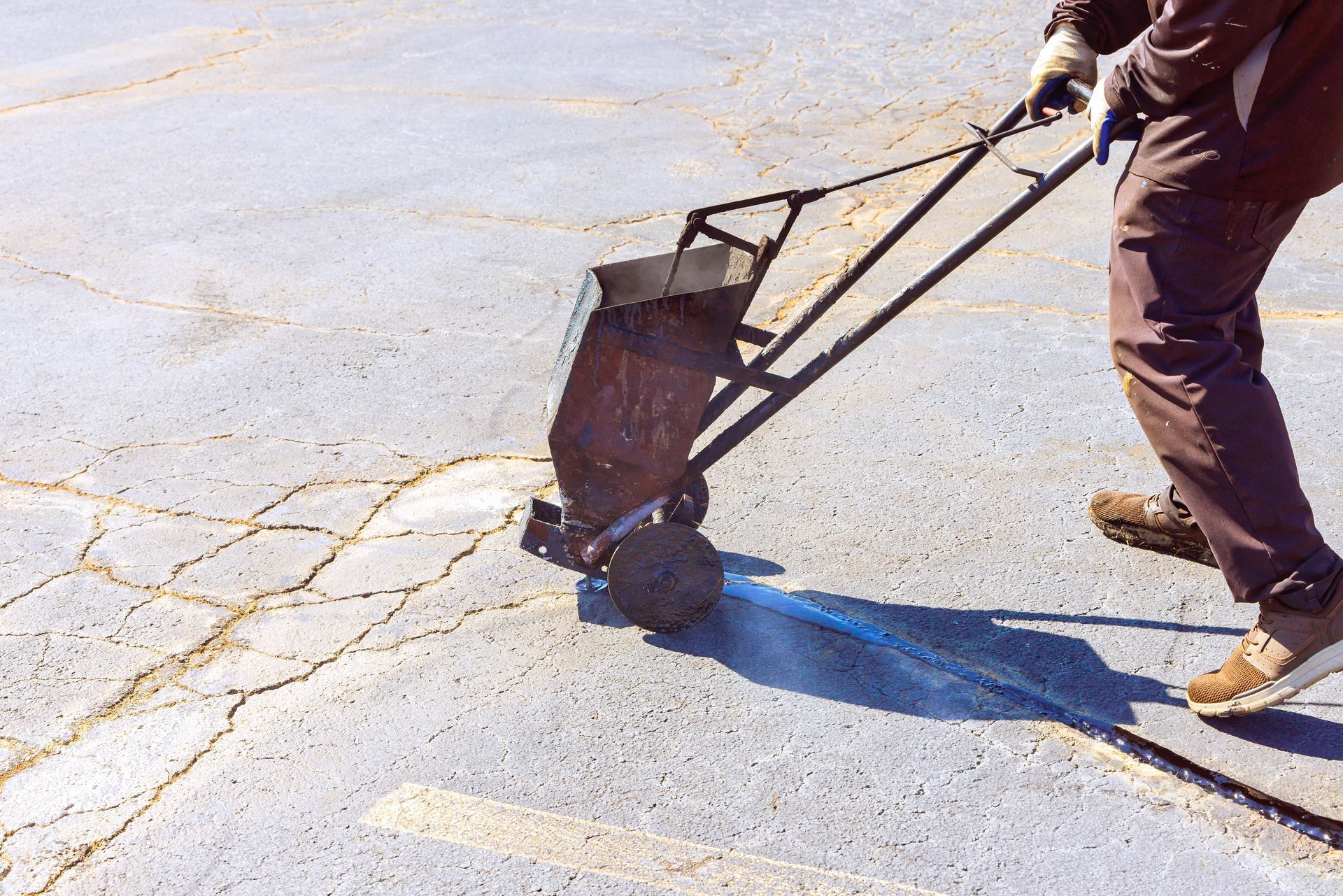
Pour pots, wand applicators, and controlled dispensing systems are used to place the filling material accurately into cracks. These tools help maintain consistent coverage across varying crack widths.
Environmental Impact on Crack Development in Morris, NY
Crack filling in Morris, NY is heavily influenced by local environmental conditions that contribute to asphalt wear over time.
Seasonal Temperature Changes
Frequent temperature shifts cause asphalt to expand during warm conditions and contract during cold conditions. This constant movement places stress on pavement surfaces, leading to crack formation.
Rainfall and Snowmelt Exposure
Moisture from rain and melting snow can enter unsealed cracks and weaken the underlying pavement layers. If left untreated, this moisture can accelerate pavement deterioration.
Sun Exposure and Surface Drying
UV radiation contributes to asphalt oxidation, making the surface more brittle over time. This reduces flexibility and increases the likelihood of cracking under pressure.
Crack Fill Service Area with S & J Sealcoating
S & J Sealcoating provides asphalt crack filling services throughout Morris, NY and surrounding communities within a 50-mile radius. Services are available for both residential and commercial properties with varying levels of pavement wear and cracking.
Each crack filling project is scheduled based on weather conditions, surface dryness, and crack severity to ensure proper material performance. Projects are typically completed as part of ongoing asphalt maintenance to help preserve pavement condition and reduce long-term repair needs.
Crack filling services are commonly applied to driveways, parking lots, and private roadways where early-stage cracking is present and proactive maintenance is required to maintain surface stability.